
ERBIL, Kurdistan Region - US forces disabled a cargo vessel in the Gulf of Oman on Saturday after it repeatedly attempted to breach Washington’s naval blockade against Iran, Central Command (CENTCOM) said, while Iranian state media reported that two oil tankers caught fire after striking mines in the Strait of Hormuz and nearby waters.
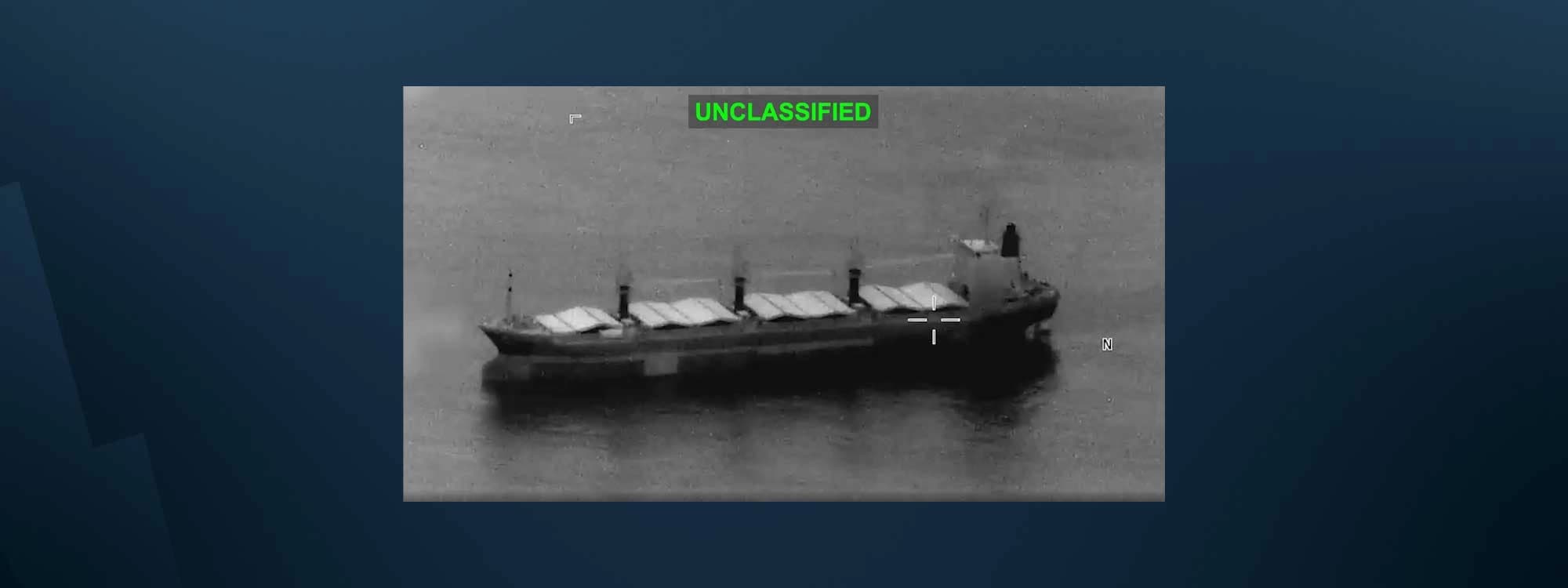
In a statement late Saturday, CENTCOM said that the vessel, identified as the M/V Huda, ignored repeated warnings and attempted several times to violate the blockade after visiting an Iranian port.
“A U.S. military aircraft fired precision munitions at the stern of St. Kitts-flagged M/V Huda, disabling the ship after CENTCOM forces directed the crew to abandon targeted spaces,” the statement said.
The latest incidents underscore the escalating maritime confrontation between Washington and Tehran, with commercial shipping increasingly caught in the crossfire of competing blockade measures and restrictions on passage through the Strait of Hormuz.
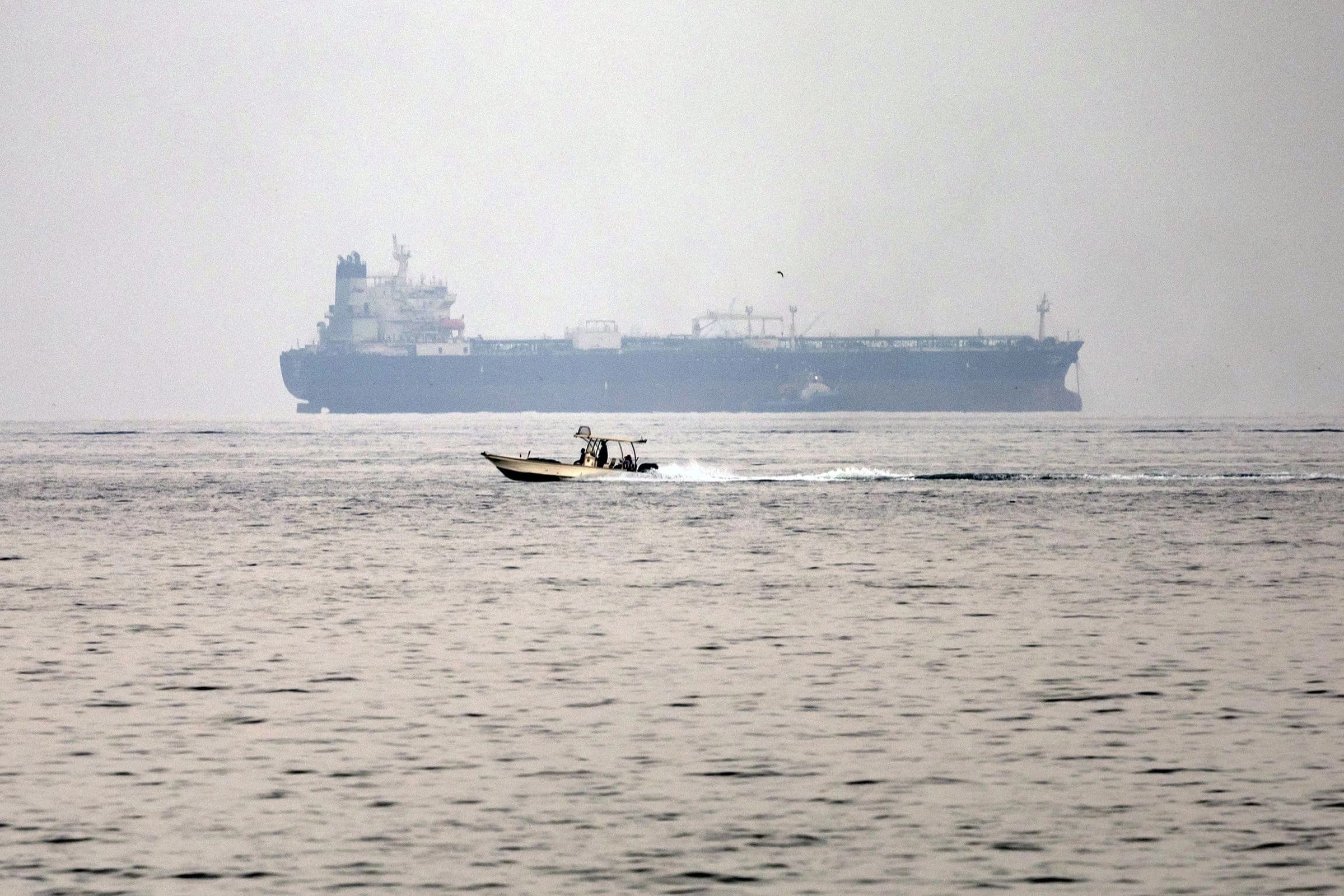
Iran's state broadcaster IRIB reported early Sunday that two oil tankers were ablaze after striking mines, citing the IRGC Navy. Both vessels had allegedly attempted to use what Tehran described as an unauthorized shipping route.
“Having committed multiple violations and turned off their navigation and tracking systems, these two tankers intended to cross through an unauthorized route in the Strait of Hormuz; they exploded and are currently burning after hitting mines,” the IRGC Navy said, according to IRIB.
The waterway, through which approximately one-fifth of global oil supplies passed before the conflict, has become a major flashpoint since the war broke out between the US and Iran in late February, with attacks on commercial shipping prompting repeated US military responses.
In its Saturday statement, CENTCOM said it continues to enforce the naval blockade which began in August, adding that US forces have redirected 147 commercial vessels that complied with enforcement measures since July, while disabling five merchant ships that refused to comply.
The US military also said it had previously destroyed 10 Iranian commercial oil tankers that were part of what it described as the Islamic Revolutionary Guard Corps’ (IRGC) “multibillion-dollar shadow network.”
However, the Iranian naval force warned other vessels against cooperating with the US military or entering areas it considers unauthorized.
“Any vessel or ship that cooperates with the aggressive and predatory U.S. military, defies Iranian regulations regarding the Strait of Hormuz, and enters unauthorized zones will certainly strike a mine,” the IRGC statement said.
The latest maritime confrontation also comes as Washington broadens its campaign to economically and militarily constrain Tehran beyond the naval blockade.
On Saturday, CENTCOM announced the establishment of Task Force Iron Gate, a new military unit tasked with disrupting Iran's use of land routes and the Caspian Sea to transport weapons systems, dual-use technologies, sanctioned materials and illicit revenue.
The task force was directed by CENTCOM Commander Admiral Brad Cooper on Friday.
“The establishment of Task Force Iron Gate reinforces the success of our ironclad blockade against Iran at sea,” Cooper said. “Strengthening CENTCOM's collaboration with U.S. interagency partners will further constrain Iran's ability to finance terrorism, rebuild weapons factories, and replenish their military.”
CENTCOM said its maritime blockade had prevented Iran from exporting more than $25 billion worth of crude oil in recent months.
Washington has also intensified its financial pressure on Tehran. The US Treasury Department on Friday imposed sanctions on eight Canada-based money services businesses accused of helping Iran and entities affiliated with the IRGC evade American sanctions through currency conversions and digital-asset transactions.
The measures fall under Operation Economic Outcast, a US initiative launched in August to dismantle financial networks supporting Iran and the IRGC.
Meanwhile, diplomatic efforts mediated by Qatar have yet to produce a comprehensive agreement to end the conflict, with disagreements persisting over Iran's nuclear program, sanctions relief and the reopening of the Strait of Hormuz.